Ship Manufacturing Overview
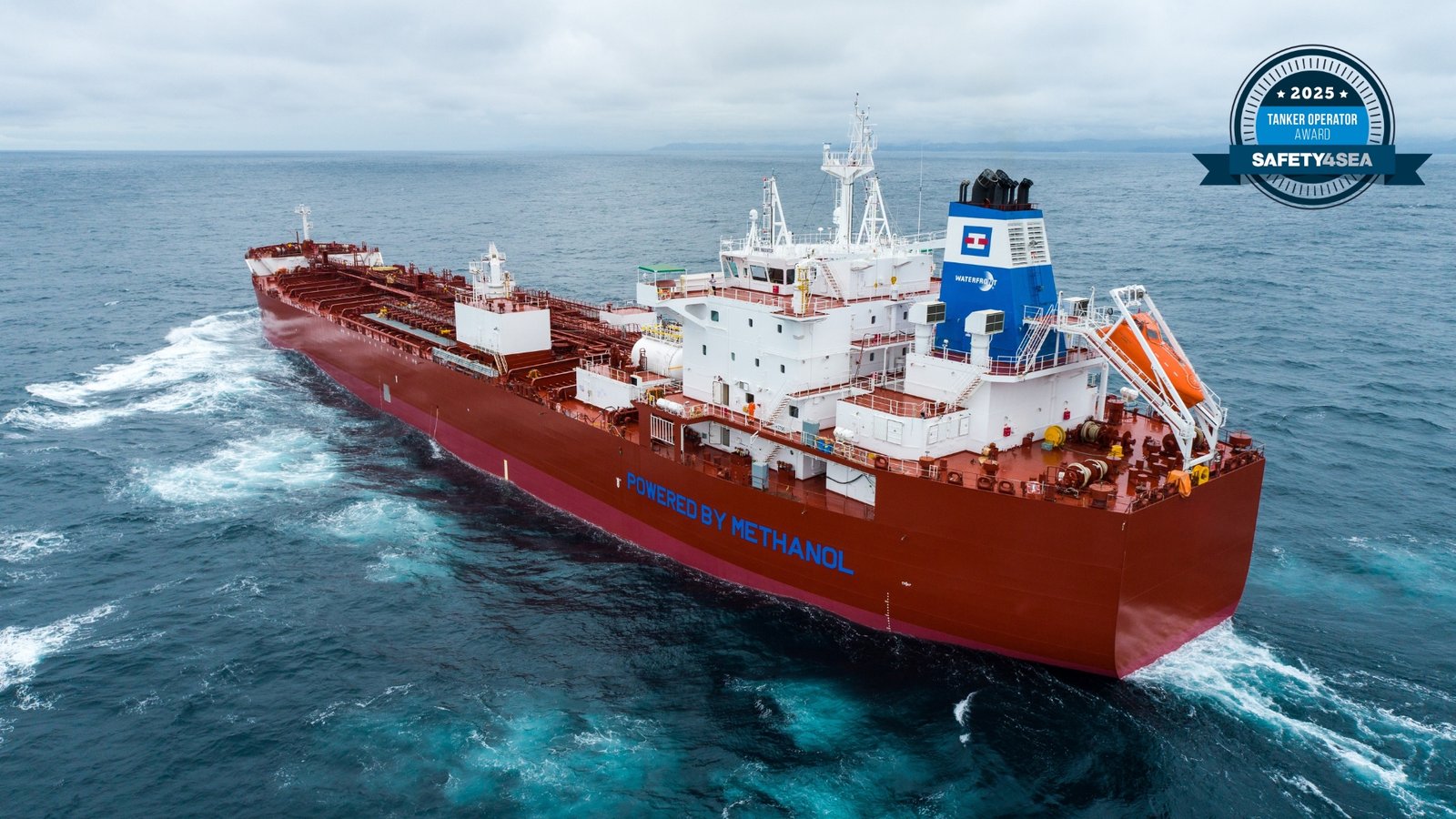
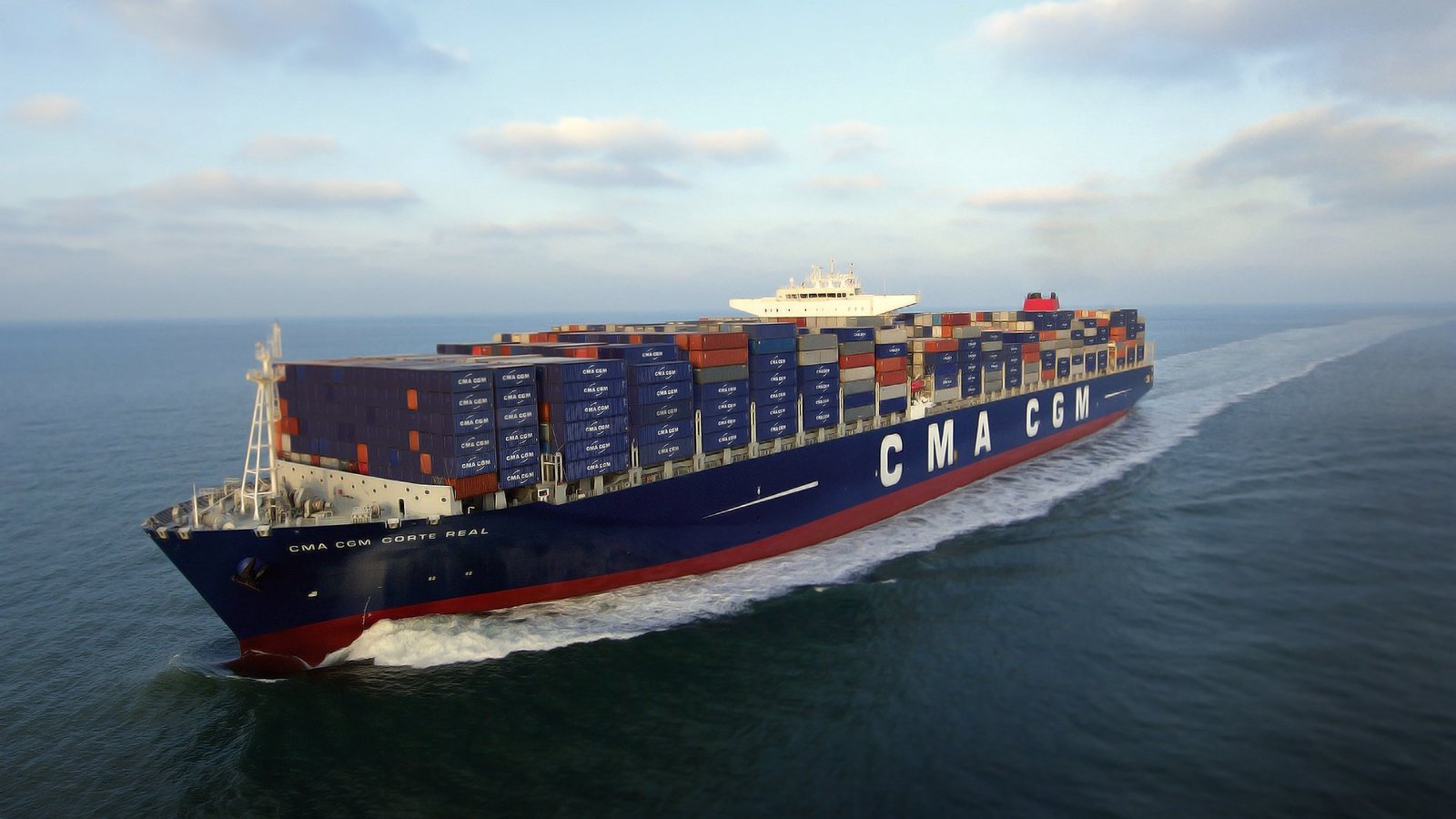
Ship manufacturing, or shipbuilding, transforms raw steel and components into functional vessels through a structured, multi-stage process. Modern shipyards employ modular construction to enhance efficiency, reducing build times from years to months for large vessels like container ships or tankers. The industry relies on advanced welding, automation, and digital twins for precision amid rising demands for eco-friendly designs.
Material Procurement and Preparation
The process begins with procuring high-grade steel plates and sections per design specs. Plates arrive at the stockyard, where they undergo straightening via rollers to correct distortions from rolling mills. Surface treatment removes mill scale through shot blasting or flame methods, followed by priming with anti-corrosive coatings like zinc-rich paint. Nesting software optimizes cutting layouts to minimize waste, using plasma or laser cutters for precise shapes.
Block Construction and Assembly
Steel pieces form panels via welding, then sub-assemblies, and finally large blocks (up to 150 tons) in fabrication halls. Each block includes pre-outfitting like pipes and wiring. Cranes lift blocks onto the building berth or dry dock, where they align precisely—misalignment risks hull warping. Welding joins blocks into the full hull, with non-destructive testing ensuring structural integrity against stresses like hogging and sagging.
Outfitting and Launching
Post-hull erection, outfitting installs engines, propulsion systems, electricals, HVAC, and interiors—about 70% completes pre-launch. The vessel launches via slipway, flotation, or synchrolift. Moored at quay, remaining outfitting finishes, including painting internals and exteriors for corrosion resistance. Advanced yards integrate robotics for painting and pipe fitting.
Trials and Delivery
Sea trials test speed, maneuverability, stability, and systems under real conditions, verifying contract specs. Adjustments follow, culminating in delivery with documentation and warranties. Digital tools like CFD and FEA optimize throughout, supporting green innovations like LNG or hydrogen readiness. Global shipbuilding centers in Asia dominate, producing over 90% of merchant tonnage.
Gallery